.svg)


August 5, 2026
Marketing
Social Media Management for Artists: Grow Your Creative Brand
.svg)


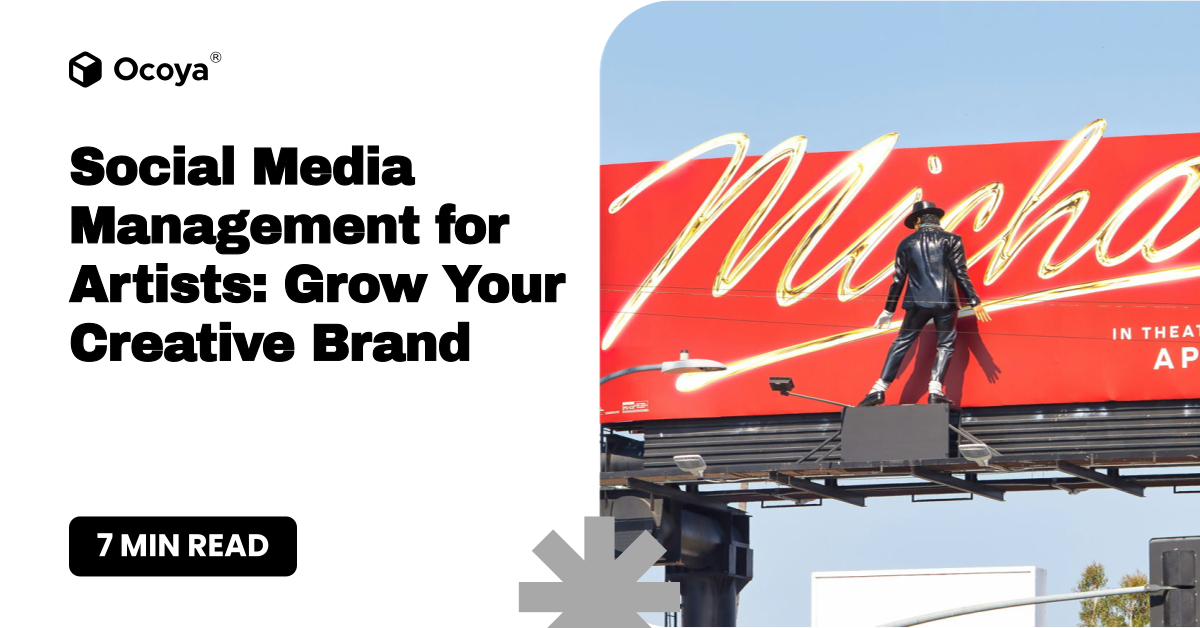
In the vibrant and competitive world of art, standing out as an artist isn't just about honing your craft but also about creating a distinctive brand presence. As digital landscapes evolve, so does the need for artists to effectively manage their online personas, particularly through social media platforms, which have become pivotal in shaping art careers. Mastering the intricacies of social media management can significantly impact your visibility, allowing your creative endeavors to reach an audience far beyond local galleries or exhibitions.
In today's digitized art scene, social media serves as both an exhibition space and a networking platform. Artists can showcase their work to a global audience, connect with like-minded individuals, and even sell their creations. However, the sheer volume of content on these platforms can make it challenging to get noticed. Thus, strategic social media management is crucial for artists aiming to build and sustain their brand presence.
Understanding Social Media Management for Artists
Social media management for artists involves the process of creating, scheduling, analyzing, and engaging with content posted across social networks like Instagram, Facebook, Twitter, and more. The concept extends to the strategic use of social media tools and methodologies to foster a loyal audience, enhance artist discovery, and drive art sales.
An artist's social media feeds are not merely personal showcases but also professional portfolios. They require a strategic approach to content creation, frequency, and interaction. By harnessing the right strategies, artists can cultivate an online identity that resonates with their target audience, ultimately growing their creative brand.
The Importance of a Social Media Strategy
For artists, a well-defined social media strategy acts as a roadmap that directs efforts towards productive engagement rather than sporadic posting. It involves identifying the right platforms where your art type can thrive, understanding your audience demographics, and crafting a unique value proposition. A structured strategy helps ensure consistency, adequately portrays your artistic journey, and builds a strong, memorable brand image.
Key Elements of a Successful Social Media Strategy
The first and foremost element is understanding your audience. Who are they? Are they fellow artists, collectors, galleries, or art enthusiasts? Determining your audience will guide content creation and the platforms you choose.
Next, choosing the right platforms is crucial. Instagram is king for visual arts, while LinkedIn or Twitter may be better suited for art business networking. Facebook can connect you with local communities, and platforms like Pinterest are excellent for idea sharing.
Another critical component is consistent branding. Consistency in style, color scheme, and voice helps establish a recognizable brand. It often correlates directly with authenticity, a key factor that resonates with audiences.
Moreover, content planning and scheduling ensure your profile remains active and engaging. Effective scheduling lets you post during optimum times when your audience is most active, increasing visibility.
Crafting Engaging Art Content
At the heart of any social media strategy is the content itself. For artists, this includes everything from artwork photos to studio shots, exhibitions, work-in-progress visuals, and insights into your creative process. How can artists create content that captivates and converts followers into loyal fans or buyers?
The Art of Visual Storytelling
Visual storytelling is an invaluable skill for artists on social media. By narrating the story of your artwork or creative process visually, you can engage audiences on a deeper emotional level. This could involve step-by-step images of your creations, hyper-lapse videos of your art-making process, or before-and-after transformation shots.
Moreover, consider diversifying your content. Mix standalone art pieces with carousel posts that allow you to add context or detail, or utilize Stories and IGTV on Instagram to offer behind-the-scenes footage or tutorials. This diversity keeps your audience engaged and encourages them to participate actively in your creative journey.
Leveraging High-Quality Visuals and Captions
High-quality images and videos are essential as they reflect the professionalism and care you put into your art. Invest time in capturing clear, well-lit photographs that truly showcase the nuances of your work. Alternate these images with detailed captions that tell your artwork's story — its inspiration, the techniques used, or the challenges faced.
While visuals draw in viewers, well-thought-out captions can connect with followers, awakening emotions or discussions. Use captions to express your voice, letting followers in on the artist behind the art, fostering a genuine connection.
Growing and Engaging Your Community
Social media success hinges not only on posting but also on genuine interactions with followers. Community building involves fostering an engaged audience eager to support and advocate for your art.
Establishing Interaction and Engagement
Engage with your audience by responding to comments, acknowledging mentions, and joining conversations within the art community. Encouraging dialogue boosts post visibility in algorithms, extends reach, and fosters a sense of community around your brand.
Beyond passive engagement, encourage active participation through online events, challenges, or contests. Utilize the power of hashtags to join larger art discussions or to spotlight new projects. When followers feel engaged, they become an essential part of your art journey, gradually turning into long-term supporters.
Collaborations and Partnerships
Collaboration can be a powerful tool in expanding your audience. Seek to collaborate with fellow artists or art influencers whose audiences align with your target. Joint efforts could include joint exhibitions, mutual shout-outs, or co-created art projects.
Partnerships with art organizations or commercial brands can also provide a broader platform for your work, tapping into new networks of potential admirers or clients. Such collaborations demonstrate versatility and offer fresh perspectives, which can enhance your artistic value and recognition.
Optimizing Social Media Profiles
Your social media profiles, akin to digital business cards, need optimization to ensure a powerful first impression. Effective profile management increases your chances of converting casual viewers into devoted followers and supporters.
Profile Aesthetics and Consistency
Optimize Profiles for optimal performance starting with a consistent profile photo across platforms, ideally your artwork, a personal logo, or a professional artist photo. Bios should succinctly describe your work, incorporating relevant keywords that elevate your visibility in searches.
For greater engagement, ensure your profile aesthetics align with your brand identity. A cohesive color palette, logo, and style across your portfolio and profile enhance professional perception and make your brand more memorable.
Call-to-Actions and Link Management
Drive traffic by strategically placing calls-to-action within profile bios or posts, urging followers to explore your website, join newsletters, or even visit your gallery. Reliable link management tools provide a streamlined way for followers to discover your other works or platforms where they can connect further.
Analytics and Performance Tracking
Understanding analytics is crucial to refine your strategy. Regularly evaluate which content types garner the most engagement, understand your audience's active times, and adjust content delivery accordingly. Key metrics include post reach, likes, comments, saves, profile visits, and follower growth over time.
Insights for Strategic Adjustments
Data-driven insights assist in tailoring your social media plan to the preferences and habits of your audience, optimizing reach and engagement. Adjust strategies based on these metrics, capitalizing on what garners the best response while refining less successful approaches.
Setting Measurable Goals
Quantifiable metrics aid goal-setting and timeline creation, from increasing followers to boosting engagement rates or achieving sales milestones. Clear objectives provide direction and motivation, enabling artists to assess their growth and refine tactics systematically.
Utilizing Technology and Tools
The right tools can significantly enhance social media management for artists, making it more efficient and effective.
Automation and Scheduling Tools
Automation tools like Ocoya offer remarkable benefits by efficiently scheduling posts, automating publishing across several platforms, and providing AI-driven content suggestions. Such tools alleviate the pressure of constant post creation, allowing you to focus more on your artistic process.
Additionally, Ocoya serves as a comprehensive platform, integrating content creation and detailed analytics, ensuring you stay ahead with well-managed, engaging content. Ocoya’s features equip you with the means to efficiently manage your social media presence, helping your art reach the right audiences, at the best times.
Consider signing up for a free trial today to streamline your efforts and enhance your reach.
The Power of Continuous Learning and Adaptation
Social platforms evolve rapidly, requiring continuous learning and adaptation. Stay informed of updates or new features within platforms, incorporate new trends in digital marketing, and remain flexible in experimenting with content styles or approaches.
Engage in webinars, online courses, or art marketing communities for further learning opportunities. The more you adapt to changes and refine your strategy, the greater your potential for sustained success on social media.
Conclusion
Navigating social media management as an artist involves understanding the nuanced demands of different platforms while maintaining an authentic and consistent brand presence. Through strategic management, engaging visual storytelling, community building, and leveraging powerful tools like Ocoya, artists can effectively grow their creative brand, reach wider audiences, and forge meaningful connections.
Key Takeaways
- Understand and define your target audience.
- Choose platforms that best showcase your art form.
- Craft and maintain consistent visual and voice branding.
- Utilize high-quality content and storytelling to engage audiences.
- Encourage active participation and community engagement.
- Leverage collaborations to expand your reach.
- Optimize profiles for aesthetics and effective call-to-actions.
- Analyze performance metrics to refine strategies.
- Employ scheduling and analytics tools like Ocoya for efficient management.
- Embrace continuous learning to adapt to changing social dynamics.

Continue Reading
The latest handpicked blog articles.