.svg)


August 23, 2026
Marketing
Gen Z on Social Media: Trends Brands Must Know
.svg)


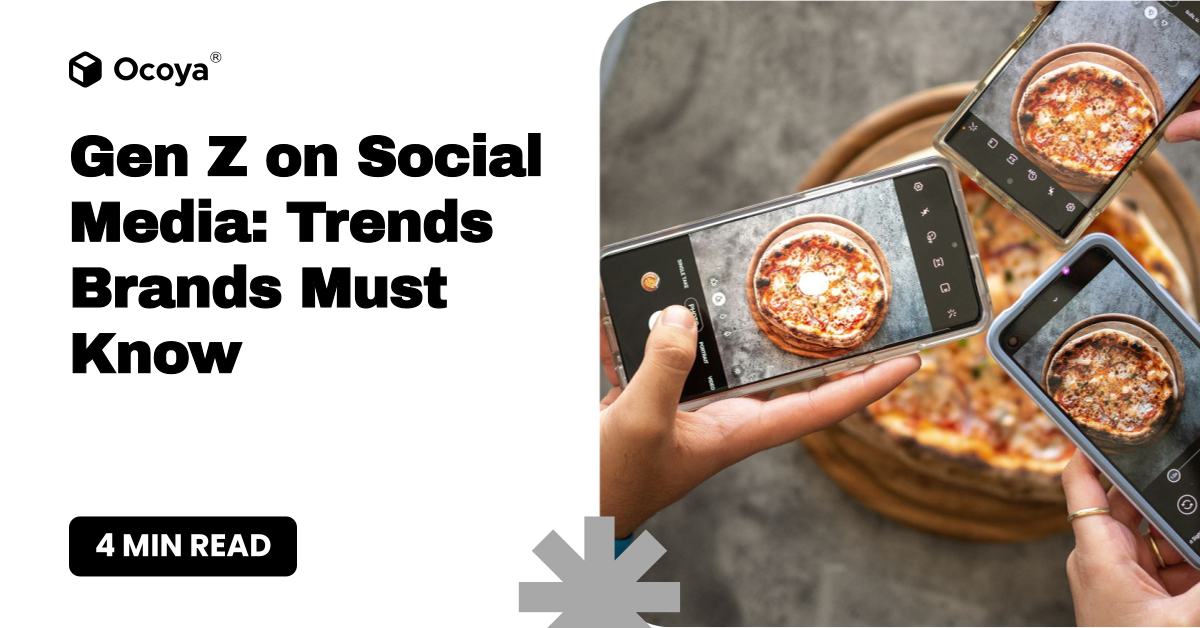
In today's rapidly evolving digital landscape, understanding the dynamics of Gen Z on social media is essential for brands looking to engage effectively with this influential cohort. Born between the late 1990s and mid-2010s, Gen Z is the first generation to grow up in a world where the internet and social media are ubiquitous. Their unique characteristics, shaped by the digital age, dictate their preferences, behaviors, and expectations when interacting with content and brands online.
The significance of Gen Z's presence on social media cannot be overstated. With their unique habits and preferences differing significantly from previous generations, marketers must keep up with current trends to cater to their tastes. Not only do Gen Z consumers represent a significant portion of the global population, but they are also poised to become the largest segment of consumers worldwide. Their preferences for authenticity, visual content, and social responsibility demand that brands innovate in their digital marketing strategies.
This deep dive into the trends brands must know about Gen Z on social media will shed light on how they consume, create, and share content, while also discussing what appeals to them most about brand interactions. By decoding these trends, companies can refine their strategies to build loyalty and engagement:
The Power of Visual Content
For Gen Z, visual content is not just preferred; it's paramount. They have grown up with the internet at their fingertips and a camera in their pocket, leading them to value photography and video over text. Platforms like Instagram, YouTube, and TikTok are immensely popular within this demographic, emphasizing the importance of visually appealing content. These platforms leverage visual storytelling, which aligns perfectly with Gen Z's communication style.
As a brand, integrating rich visual content into your marketing strategy is crucial when targeting Gen Z. This includes high-quality images, engaging videos, and interactive content such as polls and quizzes. Additionally, the use of augmented reality (AR) offers innovative opportunities to engage with Gen Z users creatively and dynamically, providing experiential marketing opportunities through virtual try-ons or immersive storytelling.
Videos, in particular, are a staple of Gen Z engagement. Short, succinct, and engaging videos make up a substantial part of their media consumption. Platforms like TikTok and Instagram Reels have optimized their formats for quick consumption, making them ideal for brands to showcase creativity and maintain audience interest. Moreover, live-streaming becoming mainstream offers brands real-time interaction with their audience, creating a sense of community and transparency.
Authenticity and Transparency
Gen Z values authenticity in their online interactions. Unlike older generations who might have been tolerant of traditional advertising methods, Gen Z’s skepticism towards overly polished brand messaging is widely noted. They prefer brands that are genuine, transparent, and speak to them on a personal level. This means that incorporating a human touch into campaigns, through real stories and genuine voices, resonates more effectively with this demographic.
Brands that showcase real customer stories, user-generated content, and behind-the-scenes perspectives often see more success in connecting with Gen Z. User-generated content, for example, can offer a sense of inclusiveness, turning customers into brand advocates and creating authentic connections. Similarly, influencer marketing plays a significant role here. However, it's crucial to partner with influencers who genuinely align with your brand values and can relate to their audience’s lifestyle authentically.
Transparency extends to how a brand communicates its values and stands on societal issues. Gen Z prioritizes social and environmental responsibility and wants to engage with brands that take a stance on matters like diversity, equity, and climate change. Companies that practice corporate social responsibility and demonstrate ethical practices stand a better chance of earning Gen Z’s loyalty.
The Rise of Ephemeral Content
Ephemeral content, which disappears after a set period, appeals to Gen Z’s desire for immediacy and authenticity. Platforms like Instagram Stories and Snapchat epitomize this trend, enabling users to share moments that are immediate and unfiltered. This content style is casual and relatable, capturing life as it happens, which aligns with Gen Z's preference for realism and spontaneity.
For brands, utilizing ephemeral content can be a powerful way to showcase behind-the-scenes peeks, product launches, and limited-time offers. This form of content drives urgency and exclusivity, prompting quicker consumer actions. Furthermore, it provides an opportunity to experiment with real-time feedback and engagement methods, helping brands fine-tune their interactions with this dynamic audience.
Community Engagement and Interaction
Another defining characteristic of Gen Z on social media is their preference for community and interaction over one-sided broadcasting. Platforms that enable conversation and collaboration thrive among Gen Z users. They seek out spaces online where they can express themselves and feel connected to others who share their values and interests.
Brands that cultivate a community-centric approach stand to benefit from increased engagement and loyalty from Gen Z. Encouraging comments, hosting Q&A sessions, and actively participating in conversations around topics relevant to both your brand and audience can aid in creating meaningful connections. Many Gen Z users also appreciate brands that foster peer-to-peer interactions and allow customers to shape the narrative, rather than solely controlling it themselves.
Moreover, platforms like Discord and Reddit have gained traction as community-centric platforms where Gen Z can engage and discuss their interests without overbearing advertising. Brands need to focus on creating authentic dialogues and being responsive to feedback to successfully navigate these communities.
Strategizing for Multi-platform Presence
Gen Z is known for their multi-platform presence, frequently accessing a variety of social media channels to fulfill different needs and purposes. From TikTok for entertainment, Instagram for visual inspiration, to Twitter for news updates, and YouTube for deep dives into topics of interest, their social media usage is diverse and active across these various platforms.
This multi-platform engagement requires brands to develop strategies that ensure consistent brand presence across all channels while catering to the unique attributes and audience preferences of each. Customizing content to fit the engagement styles and preferences on different platforms is essential for achieving traction with Gen Z audiences. For example, a more visual and aspirational approach works well for Instagram, whereas a more conversational and humorous style may be better suited for TikTok or Twitter.
The seamless integration of youth language, pop culture references, and current social phenomena into social media content can enhance relatability and relevance to capture and maintain Gen Z's attention effectively.
Embracing User-Generated Content and Collaboration
User-generated content (UGC) is a powerful tool for involving Gen Z in the brand story and making them feel valued by turning them into brand ambassadors. Gen Z gravitates towards interactive and collaborative content that allows them to contribute meaningfully and creatively within brand ecosystems. Empowering them to share their own stories linked to the brand creates a buzz that is not only organic but also resonates well within their networks.
Gamification elements and interactive campaigns can further enhance this user-brand collaborative experience. These involve challenges, contests, or incentives that allow users to participate and generate content around a brand’s presence. Collaborating with key Gen Z influencers and creators can also build bridges to new audiences and expand brand visibility.
Celebrating the creativity of Gen Z by featuring their content or co-creating products and marketing campaigns encourages their involvement and strengthens the relationship with this audience.
The Role of Voice Search and AI
Gen Z is naturally tech-savvy and quick to adopt new technologies. Voice-activated technologies, smart devices, and AI-driven services are increasingly influential in their digital lives. This generation finds voice search convenient and efficient, signaling to brands that optimizing their content for voice search is becoming increasingly important.
Implementing AI-based tools in social media marketing strategies can significantly enhance customer engagement and personalization. Predictive analytics and chatbots can streamline interactions and provide tailored experiences, mirroring the personalized interactions Gen Z expects from brands.
Tools like Ocoya can help brands optimize their social media efforts by harnessing AI to automate content creation and scheduling across multiple platforms. With Ocoya, brands can ensure their content reaches the right audiences at the perfect times, ultimately enhancing engagement and efficiency.
Key Takeaways
To effectively engage with Gen Z on social media, consider these key insights:
Focus on visual content such as videos, AR experiences, and engaging imagery to capture attention.
Maintain authenticity and transparency in your brand messaging and interactions.
Utilize ephemeral content to create urgency and engagement with real-time storytelling.
Prioritize community engagement to foster meaningful connections and dialogue.
Strategize for a multi-platform presence by tailoring content styles to fit each platform's unique audience and format.
Leverage user-generated content and collaboration to actively involve Gen Z in your brand story.
Embrace new technologies such as voice search and AI to streamline and personalize user experiences.
By implementing these strategies, brands can position themselves favorably among Gen Z, unlocking the potential of this digital-native generation as loyal customers and advocates in the ever-evolving social media landscape.
Continue Reading
The latest handpicked blog articles.