.svg)


December 17, 2025
Marketing
Boost Your Bank's Success with Effective Social Media Strategies
.svg)


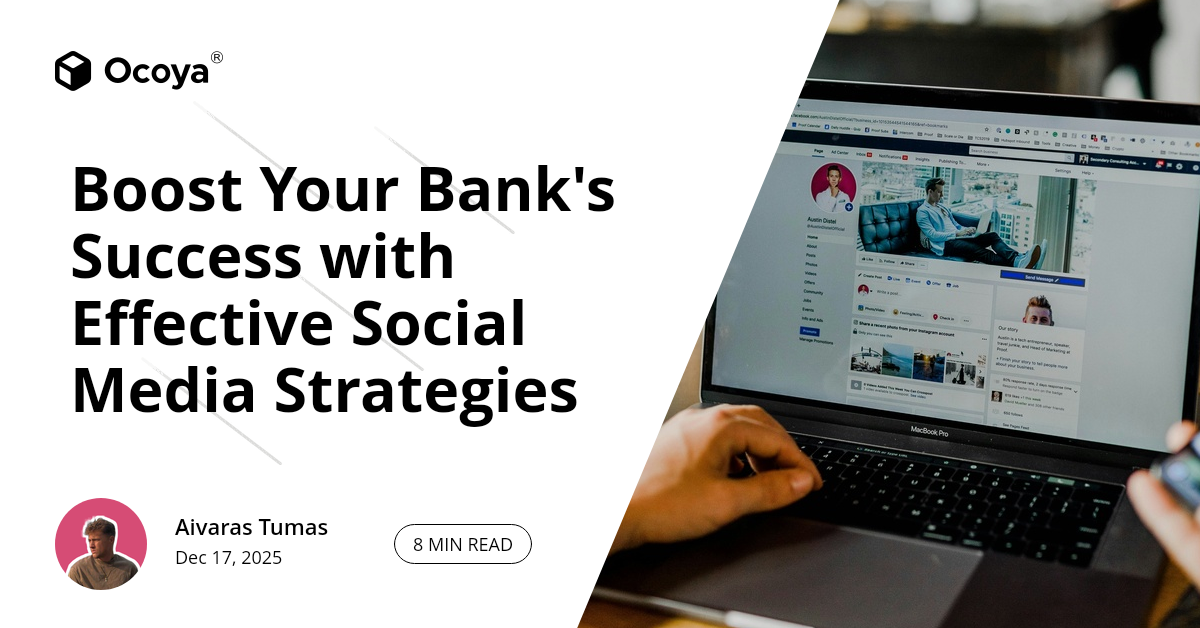
In today’s digital landscape, the banking sector faces a unique set of challenges. As financial institutions continue to compete in a crowded market, traditional methods of customer engagement are becoming increasingly less effective. As a result, banks must leverage new channels to reach and engage with their audience. One of the most promising avenues for this purpose is social media. The right strategies can transform social media platforms into powerful tools for client acquisition, customer service, and brand building.
Social media for banks isn't just a trend; it’s a necessity. But with such a vast array of social media platforms, crafting an effective strategy can seem daunting. Knowing where to start, what to post, and how to measure success can make or break your efforts. This comprehensive guide will provide insight into the best practices and strategies for boosting your bank’s success through effective social media use.
Understanding the Importance of Social Media for Banks
For banks, social media offers an unparalleled opportunity to connect with customers on a personal level. Unlike traditional marketing channels, social media offers real-time interaction, instant feedback, and the potential for viral reach.
One of the primary reasons why social media for banks is so crucial is the way it builds trust. Banks deal with sensitive information and large sums of money, so consumer trust is paramount. Social media humanizes your brand, giving it a voice and allowing for transparent communication. This levels the playing field and builds credibility with your audience.
Additionally, social media platforms serve as an excellent venue for educating your audience about financial literacy. Explaining complex topics in an easy-to-understand format can position your bank as a thought leader in the industry.
Choosing the Right Platforms
The first step in crafting a successful social media strategy for banks is choosing the right platform. Each social media channel has its own unique features, audience, and type of content that works best. Here’s a quick overview:
Facebook is ideal for creating community and encouraging user interaction. Use it to post updates, share stories, and engage with your customers through comments and messages. Facebook’s advertising tools also offer advanced targeting options that allow you to reach specific demographics.
LinkedIn is the go-to network for professionals. It’s perfect for B2B marketing, thought leadership, and recruiting new talent. Posting industry insights, company achievements, and thought-provoking articles can elevate your bank's professional image.
Twitter is excellent for real-time communication and quick updates. Use it for customer service, breaking news, and updates about financial products or services. The platform’s hashtag functionality can help boost visibility around specific topics.
Instagram is all about visuals. Use it to showcase the human side of your bank through images and stories. Employee spotlights, community involvement, and visually engaging educational posts can create a strong connection with your audience.
YouTube
YouTube allows you to provide in-depth content through videos. Tutorials, webinars, and explainer videos can boost financial literacy and build a library of valuable resources for your customers.
Crafting Engaging Content
Quality content is the cornerstone of any successful social media strategy. But creating engaging content is not a one-size-fits-all approach. Here are some tips to make your content resonate with your audience:
Humanize Your Brand
People trust people, not faceless entities. Share stories about your team, highlight their achievements, and show the human side of your bank. Employee spotlights and behind-the-scenes looks at your operations can make a big impact.
Educational Content
Provide value to your audience by sharing educational content. Financial advice, investment tips, and explanations of complex financial products can position your bank as an expert in the field.
Use Visuals
Visual content is more engaging and easier to consume. Use images, infographics, and videos to break down complex information into easily digestible formats. Tools like Ocoya can help you create stunning visuals effortlessly.
Customer Stories
Highlight stories from your customers. Success stories, testimonials, and case studies not only build trust but also provide relatable content for your audience.
Timely Updates
Keep your customers informed with real-time updates. Share news about rate changes, new products, financial market updates, and other relevant information.
Enhancing Customer Service
Social media isn’t just about marketing; it’s also an invaluable tool for customer service. Here’s how you can use social media to improve your bank’s customer service:
Real-Time Support
Provide instant support through social media channels. Quick responses to customer inquiries can significantly improve customer satisfaction.
Addressing Complaints
Publicly addressing concerns and complaints can turn a negative experience into a positive one. Apologize, offer solutions, and show your commitment to resolving issues.
Proactive Engagement
Don’t wait for customers to reach out to you. Use social media to anticipate their needs and address common issues proactively. Posting FAQs and how-to guides can preempt many questions and concerns.
Measuring Success
No social media strategy is complete without ways to measure its effectiveness. Here are some key metrics to track:
Engagement Rates
Track likes, shares, comments, and other forms of engagement to see how well your content resonates with your audience.
Reach and Impressions
Measure how many people your content is reaching and how many times it's being viewed. This can help you understand your content’s visibility.
Follower Growth
Monitor the growth of your followers over time. A steady increase can indicate that your social media efforts are attracting new potential customers.
Click-Through Rates (CTR)
Track the number of clicks on links within your posts. High CTRs indicate that your content is compelling enough to drive action.
Conversion Rates
Ultimately, track how many social media interactions lead to actual customer actions, such as signing up for a service or opening an account.
Once you identify what’s working, double down on those efforts. Conversely, if certain types of content or strategies aren’t performing well, adjust accordingly.
The Role of Automation
Managing social media for banks can be time-consuming. Automation tools like Ocoya can streamline your efforts, allowing you to focus on strategy rather than execution.
Ocoya offers automated content creation, scheduling, and analytics, all in one platform. This allows you to maintain a consistent posting schedule, create high-quality content efficiently, and track your performance with ease.
Sign up for a free trial here and discover how Ocoya can transform your bank’s social media strategy.
Conclusion
In an increasingly digital world, social media for banks is no longer optional; it’s essential. From building trust and educating your audience to providing excellent customer service and measuring success, an effective social media strategy can set your bank apart from the competition.
By choosing the right platforms, crafting engaging content, and leveraging tools like Ocoya, your bank can not only thrive in the digital age but also strengthen its relationship with existing customers while attracting new ones.
Key Takeaways
Understand the Importance of Social Media for Banks
Choose the Right Platforms for Your Audience
Craft Engaging and Valuable Content
Utilize Social Media for Enhanced Customer Service
Measure Success through Key Metrics
Automate Efforts with Tools like Ocoya
Continue Reading
The latest handpicked blog articles.