.svg)


June 24, 2026
Marketing
Product Launch on Social Media Proven Strategies for Success
.svg)


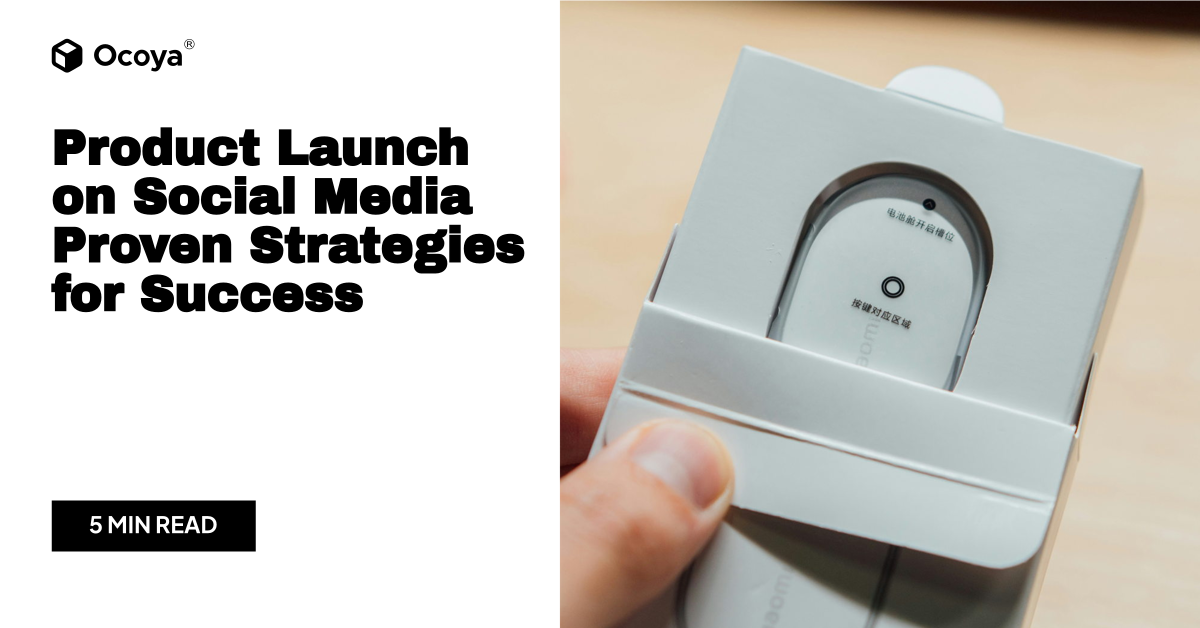
Launching a product in today's digital age requires more than just a good idea and a quality product. The landscape of consumer engagement has shifted dramatically with the advent of social media, where businesses can reach millions of potential customers in mere seconds. Entrepreneurs and businesses alike must adapt to this social media-driven world to achieve a successful product launch. Understanding the nuances of a product launch on social media has become essential for ensuring that your new product captures attention, generates buzz, and drives sales.
The opportunity that social media presents is unmatched. With over 4 billion people actively using various social media platforms, it's no wonder that 73% of marketers think that their efforts through social media marketing have been "somewhat effective" or "very effective" for their business. The intricate blend of creative content, strategic targeting, and insightful analytics makes social media an indispensable tool in a product launch strategy.
The essence of a successful product launch on social media lies in meticulous planning, creative storytelling, compelling visuals, and engagement. Let's delve into the strategies that will help ensure your product gets the attention it deserves.
Understanding Your Audience
The cornerstone of any successful marketing effort is a profound understanding of your target audience. Every product is designed to solve a particular problem or to fulfill a specific need. Identifying and understanding your audience's pain points, preferences, and habits forms the bedrock of your product launch on social media.
When you know your audience, creating content that resonates becomes significantly easier. Start by creating detailed buyer personas. These personas are fictional representations of your ideal customer, based on real data about your existing customers and market research. By understanding their demographics, behavior, needs, and challenges, you can tailor your content to echo back to them in ways that feel personal and engaging.
A comprehensive analysis of your social media audience using tools like social media analytics and customer feedback can reveal deeper insights. Key information might include:
Demographics: What is the age, gender, location, and occupation of your typical audience? Social media platforms like Facebook, Instagram, and Twitter offer analytics that can help you gather this data.
Interests: What are their likes, dislikes, hobbies, and habits? Understanding this can help you craft content that is engaging and relevant.
Social Media Behavior: Which platforms do they use most frequently, and at what times? This will help in planning the timing of your posts and selecting the right platform.
Once you've outlined your personas with this information, use it to guide all aspects of your product launch campaign. Tailored messaging, well-defined content strategies, and precise targeting are all born from an intimate knowledge of your demographic audience.
Setting Clear Objectives
Before diving into the creative aspects of your product launch on social media, it’s crucial to define clear, actionable objectives. Goals for a social media product launch can vary widely, from generating sales and leads to raising brand awareness or increasing market engagement.
Common objectives for a product launch might include:
Brand Awareness: Increasing visibility and recognition for your new product.
Engagement: Encouraging audience interaction through likes, shares, and comments.
Lead Generation: Collecting potential customers’ information for future targeting.
Sales and Conversions: Driving purchases through specific campaigns or promotions.
With your objectives in place, you can measure your campaign’s effectiveness using specific metrics. For brand awareness, look at reach and impressions. For engagement, pay attention to metrics like shares, likes, comments, and click-through rates. For conversions, track the number of leads or sales generated through your campaign.
Structuring your objectives using the SMART criteria (Specific, Measurable, Achievable, Relevant, Time-bound) ensures that they are both realistic and practical. For example, instead of saying “increase brand awareness”, you might say “increase Instagram followers by 20% in three months”. This approach gives clarity and focus to your efforts.
Crafting a Compelling Narrative
Once objectives are defined, the next step is to captivate your audience with a compelling brand narrative. Humans are natural storytellers and consumers resonate with narratives that move them emotionally or intellectually.
Your story should illustrate why your product was created, what needs it fulfills, and the benefits users can expect. Relating your product to real-world problems or aspirational values can bridge the gap between you and your audience, establishing trust and loyalty. The ultimate goal is to make your audience feel personally connected to your product story.
To craft an engaging product story:
Identify the “Why”: Why your product exists is fundamental. What gap does it fill in your target market? Why should consumers care?
Showcase Real People: Especially testimonials or stories from early users or influencers. Authentic stories carry trust and relatability.
Highlight the Journey: Share behind-the-scenes content that showcases the journey from concept to product. Transparency in the development phase can enhance credibility.
Invoke Emotion: Use emotional appeals that tug on your audience’s heartstrings or instill excitement.
Utilize strong visual aids such as photography and video content to complement your storytelling. Platforms like Instagram and TikTok thrive on visual content, and they present excellent opportunities to engage your audience with creative visuals and live stories, enriching the narrative you want to convey.
Selecting the Right Platforms
Knowing where your audience spends most of their time is crucial to selecting the right platform for your product launch on social media. Each platform caters to different types of content and demographics, and this can be a crucial factor in the success of your launch.
Facebook: With its broad user base, Facebook is ideal for reaching a diverse audience. Features such as Facebook Live can be used for live product demonstrations or Q&A sessions.
Instagram: Highly visual, Instagram works well for products that have strong visual appeal. Instagram Stories and Reels are effective tools for promoting limited-time offers or behind-the-scenes content.
Twitter: Known for real-time engagement, Twitter is great for generating buzz and conversing with followers in real-time, perfect for live events or updates.
Pinterest: If your product is visually appealing and fits the lifestyle or DIY categories, Pinterest is practical for driving traffic due to its high conversion rate.
LinkedIn: Ideal for B2B products, LinkedIn enables you to target professionals and engage with industry insights, making it suitable for more serious content.
Choosing the right platform depends on your audience's habits and the nature of your product. Often, a combination of platforms is best to maximize reach and engagement. Additionally, when launching, it's essential to ensure brand consistency across platforms – from visuals to messaging, everything should align with your product's identity and goals.
Developing a Content Calendar
Once the platform selection is complete, it’s time to integrate your storytelling into a cohesive content strategy through a content calendar. A well-structured content calendar is a powerful tool in orchestrating a product launch on social media. It provides an overview of the social media posts, their scheduling, and distribution across different channels, ensuring consistency and timely roll-out aligned with your marketing goals.
An effective content calendar should include:
Scheduled Dates and Times: Time your posts to ensure they reach your audience when they’re most active. Social media analytics can provide insights into optimal posting times.
Content Variety: Ranging from posts about product features, user testimonials, behind-the-scenes content, countdowns, webinars, live streams, and educational posts that add value to your audience.
Hashtags and Campaign Taglines: Use consistent and relevant hashtags to increase discoverability and engagement. A branded hashtag can amplify your launch’s resonance.
Key milestones and Deadlines: Identify critical campaign phases like preludes, launch date announcements, exclusive offers, and post-launch customer feedback.
Through meticulous planning and organization, a content calendar serves as your roadmap, guiding the frequency, type, and tone of content in alignment with the various phases of your launch strategy.
Engaging with the Audience
Engagement is the lifeblood of any social media activity. It's vital to foster an interactive and social atmosphere that encourages communication with your audience. Engaging your audience doesn’t just mean responding to comments and inquiries. It's about creating an ongoing dialogue.
To enhance engagement:
Run Contests or Giveaways: This not only helps increase engagement but can also build your follower base and email list. Ensure it aligns with your product’s overall messaging for effectiveness.
Conduct Live Sessions: Engage in real-time through Q&A sessions that allow you to showcase your product while interacting directly with your audience.
User-Generated Content: Encourage users to share their experiences, reviews, or photos with your product using a specific hashtag.
Prompt Responses: Acknowledge comments and messages swiftly. This shows your audience that you value their input and time.
Through active engagement, you can build a community of loyal customers who are not only willing to buy your product but also advocate for it, improving organic reach and brand reputation over time.
Leveraging Influencers
Influencers can amplify your product launch exponentially. These individuals or entities have established credibility within a specific industry and can sway the purchasing decisions of their audience due to their knowledge and relationship with the audience.
When working with influencers, select those who match your brand values and audience. Micro-influencers, although catering to smaller groups, often have higher engagement rates and authenticity. They can also target niche areas effectively, providing depth rather than breadth in reach.
Collaborations with influencers can include:
Product Reviews and Tutorials: Influencers can provide unbiased reviews and tutorials that introduce their audience to your product authentically.
Takeovers: Allow influencers to take over your social media accounts for a set duration. They can engage your audience with fresh content perspectives.
Discounts/Promo Codes: Provide influencers with exclusive discounts for their followers that can drive conversions and measure campaign effectiveness.
Influencer partnerships, when executed well, can broaden your reach and add a layer of credibility and relatability to your product's narrative.
Utilizing Social Media Advertising
Social media advertising can boost your product launch by exhibiting your offerings to a wider audience outside organic reach. With advanced targeting options available on most platforms, ads can be tailored to reach specific demographics, interests, and behaviors, thereby enhancing campaign effectiveness.
Focus on the following when creating ads:
Visual Appeal: Use high-quality images and videos since these formats grab more attention and can communicate a message faster than text.
Compelling Copy: An engaging ad copy that includes a strong call-to-action (CTA) will encourage audiences to take that next step, whether it be to visit your website or make a purchase.
A/B Testing: Continually test different versions of your ads to optimize for performance. This could include testing variations in visuals, headlines, ad formats, or targeting parameters.
Paid promotions increase the visibility of your content, ensuring that the right eyes see your product when they are most receptive. Use analytics to track engagement metrics like clicks, views, and conversions to measure ad success, and reallocate your budget toward the highest-performing ads.
Monitoring and Adjusting Your Strategy
The effectiveness of a product launch on social media doesn't stop upon implementation. Continuously monitoring social media analytics is crucial to understand how your campaign is performing and where adjustments are needed.
Utilize analytics tools to track:
Engagement Rates: Ongoing measures of likes, shares, comments, and post interactions.
Website Traffic: Traffic redirected from social media to your website provides insight into click-through effectiveness.
Conversion Rates: The percentage of users who completed the desired action, such as purchasing your product or subscribing.
Sentiment Analysis: This focuses on gathering social media users' attitudes and opinions expressed about your launch, which can help you tweak your approach for improvement if needed.
Taking an iterative approach, be willing to modify aspects of your strategy based on the data insights you gather. This could involve adjusting the times you post, the type of content that sees the most engagement, or rethinking your target audience segments.
Promoting with Ocoya
In today's fast-paced social media space, leveraging robust tools can streamline your process and make data-driven decisions more efficient. Ocoya provides a comprehensive tool that can manage your entire social media strategy from content creation to analytics.
With its AI-driven content creation feature, you can generate high-quality content that resonates with your audience effectively. Scheduling posts becomes hassle-free, ensuring your content is shared at the optimal times across various platforms, maximizing engagement and reach.
Ocoya also offers detailed analytics to track performance metrics, giving you greater insight into what's working and what can be improved. This information is invaluable in adjusting your strategies and enhancing overall campaign success. Whether you are a seasoned marketer or new to social media marketing, Ocoya’s user-friendly interface and advanced features make it an essential tool for any product launch on social media.
Conclusion
Launching a product on social media is both an art and a science. It requires strategic thinking, creativity, and an understanding of your audience and platforms. By developing a detailed understanding of your audience, setting clear objectives, crafting a persuasive story, selecting the right platforms, and continuously engaging with your audience, you can significantly enhance the chances of a successful product launch.
Moreover, leveraging the right tools like Ocoya can help streamline your efforts, allowing more time to focus on what matters most: connecting with your audience. The dynamic nature of social media demands agility, and a robust strategy that can adapt will ensure your product doesn't just launch but takes off.
Key Takeaways
-
Understand your target audience to tailor content that resonates.
Set clear, measurable objectives using the SMART criteria.
Craft a compelling brand narrative that connects emotionally.
Select the right social media platforms based on audience preferences.
Develop a content calendar for organized and consistent outreach.
Engage actively with your audience to build community and loyalty.
Utilize influencers to broaden your reach and credibility.
Implement social media advertising to enhance visibility and reach.
Monitor analytics to track performance and adjust strategies accordingly.
Utilize Ocoya for a comprehensive and efficient launch strategy.
Continue Reading
The latest handpicked blog articles.